
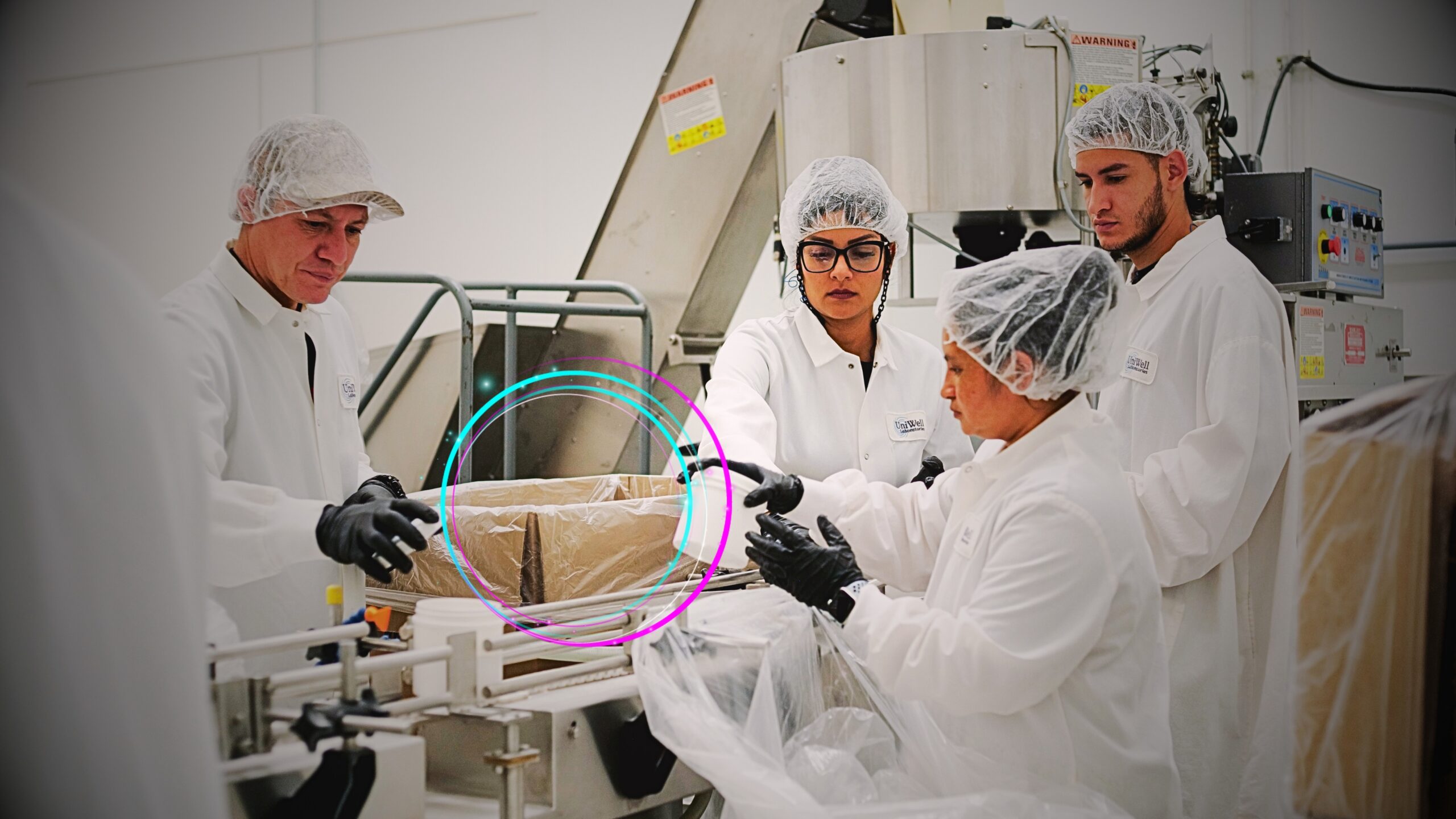
Three in four U.S. adults take dietary supplements: the Council for Responsible Nutrition’s 2024 consumer survey, run by Ipsos, put usage at 75% [1]. Most of the brands behind those products do not own a factory. They work with a contract manufacturer, and that choice decides their cost per unit, their launch dates and much of their regulatory exposure.
This guide explains how supplement contract manufacturing works, what U.S. rules apply, how to evaluate a manufacturer and what to put in writing before the first run.
Work with UniWell Labs
UniWell Labs is a dietary supplement contract manufacturer in Texas that produces under cGMP for dietary supplements (21 CFR Part 111) [2]. We produce capsules, tablets, powders, stick packs, sachets and liquids for brand owners, from formulation to packaging. See our supplement contract manufacturing services and full manufacturing capabilities.
In contract manufacturing, a brand owner hires a manufacturer to produce its supplement. The brand owns the product and sells it under its own name; the manufacturer sources ingredients, produces, tests and packages it to agreed specifications. Depending on the agreement, the manufacturer can also develop the formula with the brand.
The main reasons brands outsource are practical: they avoid building and staffing a facility, they get access to equipment for several formats, and they can scale volume without new capital investment.
Dietary supplements in the United States must be manufactured under the Current Good Manufacturing Practice regulation for dietary supplements, 21 CFR Part 111 [2]. It covers personnel, facilities, equipment, specifications, testing, batch records, complaints and returns.
FDA does not approve dietary supplements before they are sold. Under the law, the firms that make and distribute them are responsible for evaluating the safety and labeling of their products before marketing [3]. In practice, that means your brand carries responsibility for the product even when someone else manufactures it, so the manufacturer’s quality system becomes part of your own.
Look at evidence, not promises. These are the points worth checking before you sign:
For a full list, use our questions to ask a supplement manufacturer.
Lead times depend on raw material availability, testing, format and run size. Our guide to MOQs, lead times and capacity explains what drives them.
UniWell Labs is a dietary supplement contract manufacturer in Texas that produces for brand owners. We manufacture capsules, tablets, powders, stick packs, sachets and liquids [5].
Tell us about your product, format and launch volume, and our team will review feasibility and send a quote.
[1] Council for Responsible Nutrition, 2024 Consumer Survey on Dietary Supplements (Ipsos, August 2024): crnusa.org
[2] 21 CFR Part 111, Current Good Manufacturing Practice in Manufacturing, Packaging, Labeling, or Holding Operations for Dietary Supplements: ecfr.gov
[3] U.S. Food and Drug Administration, Dietary Supplements: fda.gov
[4] U.S. Food and Drug Administration, FDA Form 483 Frequently Asked Questions: fda.gov
[5] UniWell Labs, Capabilities
[6] UniWell Labs, Custom Formulations
[7] UniWell Labs, Flavor Solutions
[8] UniWell Labs, Stick Packs
[9] UniWell Labs, Credentials & Certifications
MOQs depend on the format and formula. Stick packs at UniWell start at around 75,000 units; other formats are quoted per product. Our guide to MOQs, lead times and capacity explains what drives them.
Lead time depends on raw material availability, testing, format and run size. See MOQs and lead times for the factors to plan around.
At minimum, compliance with cGMP for dietary supplements (21 CFR Part 111). Third-party programs such as NSF or Informed Choice add independent verification. Read what cGMP means for supplements and NSF vs. USP vs. Informed Sport.
Ownership must be agreed in writing before production. See who owns your supplement formula.