The cognitive category — focus, memory, mental clarity — is one of the fastest-growing corners of supplements, and lion’s mane is its breakout star. But “nootropic” has become a marketing word slapped on underdosed, low-quality formulas riding the trend. For a brand owner, the cognitive space rewards the opposite: a credible ingredient, an honest dose, and claims that respect the line. That’s where lion’s mane, done right, becomes a real product.
Here’s how to formulate for the cognitive category with lion’s mane and other nootropics.
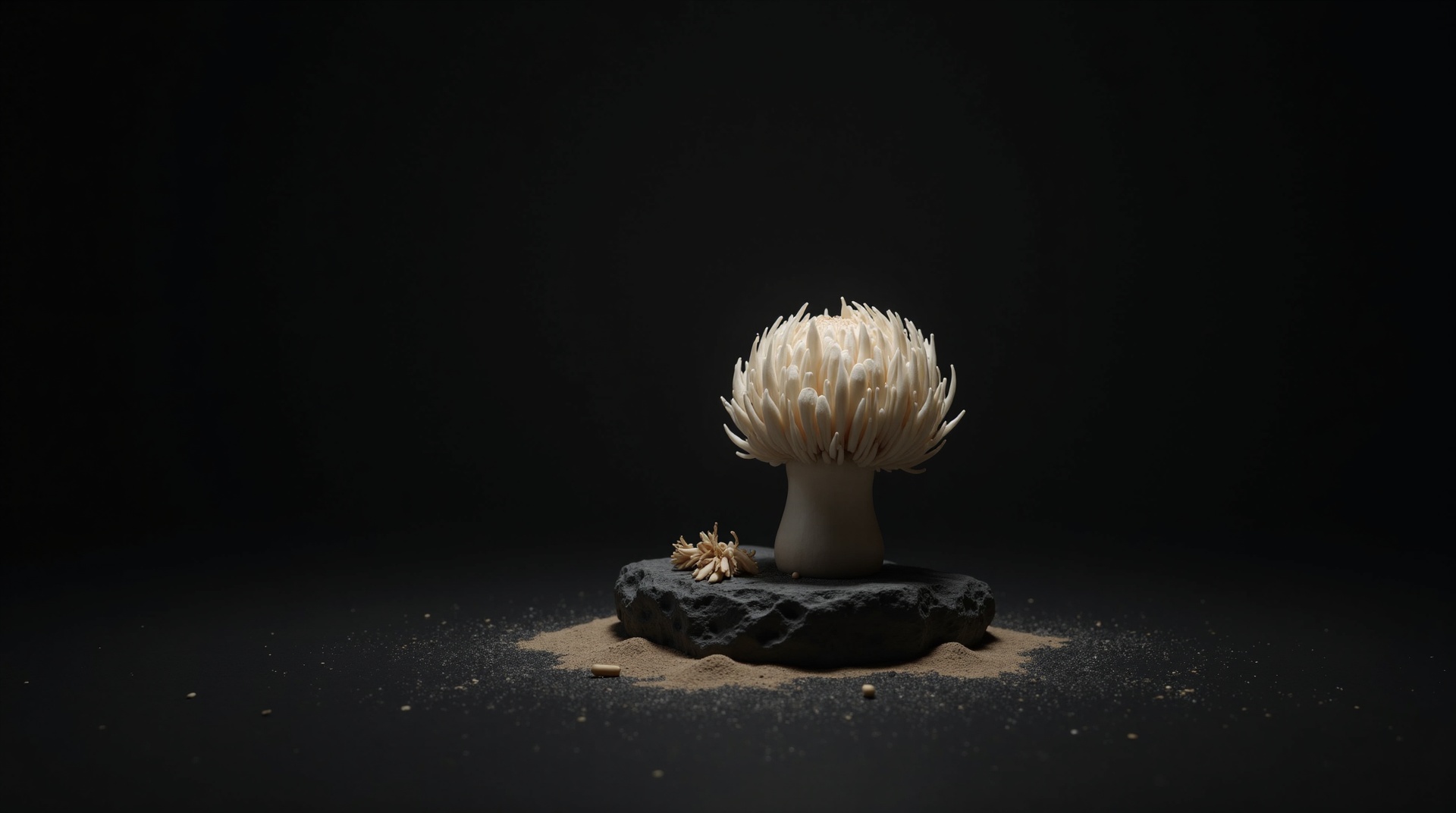
Lion’s mane (Hericium erinaceus) is a functional mushroom studied for its role in cognitive and nervous-system support. It anchors the “natural nootropic” trend because it has a real traditional and research story — but, as with all functional mushrooms, the quality of the extract is everything.
This is the single most important sourcing decision for any mushroom supplement, and where the category hides its biggest quality gap. Extracts can come from the fruiting body (the actual mushroom) or from mycelium grown on grain. Mycelium-on-grain products can be cheaper but often contain large amounts of the grain substrate, diluting the actual mushroom content. A credible lion’s mane product is transparent about which it uses and verifies the active compounds.
| Source | What to Know |
|---|---|
| Fruiting body extract | The actual mushroom; generally preferred for active content |
| Mycelium on grain | Cheaper, but may carry significant grain/starch — verify mushroom content |
The compounds of interest in lion’s mane include beta-glucans and others associated with its effects. “Lion’s mane extract” alone says little; look for verification of active content and beta-glucan levels — and be wary of products that report high “polysaccharides,” which can include starch from grain rather than mushroom actives.
Lion’s mane works in capsules, powders, gummies, and coffee/beverage blends — the cognitive category loves a daily ritual. Capsules deliver a clean dose; functional coffee and powders tap the routine. Whatever the format, confirm the extract’s active content survives processing and shelf life.
Fruiting body extract is generally preferred because mycelium grown on grain can carry significant grain substrate that dilutes the actual mushroom content. A credible product is transparent about the source and verifies active compounds.
Transparency on fruiting body vs. mycelium, verification of active compounds like beta-glucans, and caution around high “polysaccharide” numbers that can reflect starch rather than mushroom actives. Then dose to the research.
Structure/function claims such as supporting focus, cognitive function, or mental clarity, with the FDA disclaimer. You cannot claim to treat cognitive decline, dementia, ADHD, or any disease, and claims should be tied to your specific dose and extract.
Building in the cognitive category? UniWell Labs sources verified functional-mushroom extracts and formulates honest, well-dosed nootropic products. Talk to our team about your nootropic line.