
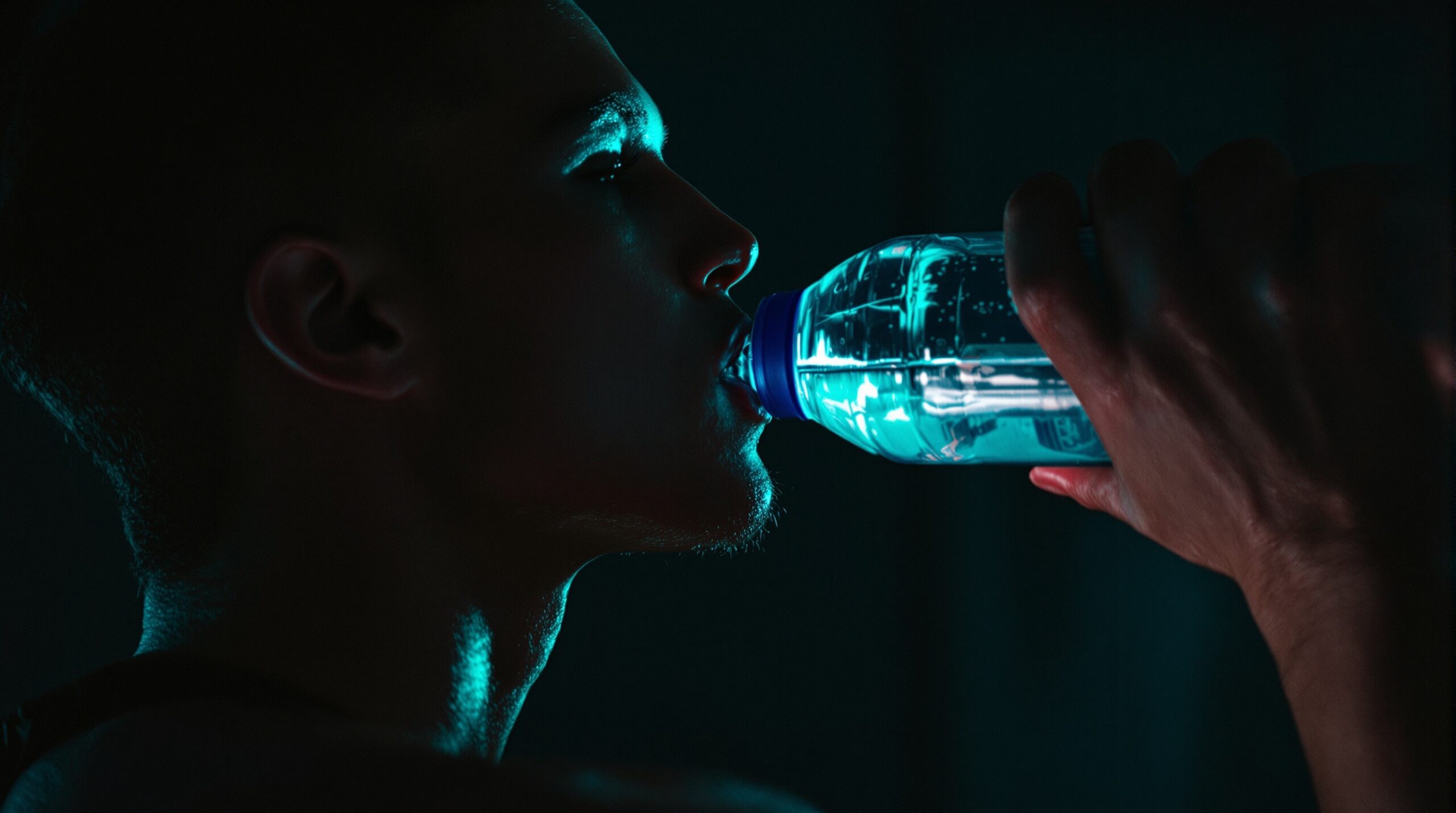
Electrolytes went from an afterthought in a sports drink to one of the fastest-growing categories in supplements — driven by hydration-conscious consumers, the GLP-1 wave, and a broad shift toward sugar-free functional drinks. The shelf is filling fast, and most products compete on flavor and marketing because their formulas are nearly identical. For a brand owner, the opening is a formula that’s actually built for the job.
Here’s how to formulate an electrolyte product that performs — the right minerals, ratios, formats, and claims.
Electrolytes are minerals that carry an electrical charge and regulate fluid balance, nerve signaling, and muscle function. In a supplement, the job is to replace what’s lost through sweat and to help the body actually retain the water you drink. That’s the real promise of the category — not just “minerals,” but effective hydration.
| Mineral | Role |
|---|---|
| Sodium | The primary driver of fluid retention and the most-lost electrolyte in sweat |
| Potassium | Balances sodium; supports muscle and nerve function |
| Magnesium | Supports muscle function and recovery |
| Chloride | Works with sodium in fluid balance |
Years of “low sodium” messaging trained brands to minimize it — but sodium is the electrolyte that actually drives hydration, and it’s the one lost in the largest amount through sweat. The breakout electrolyte brands lean into meaningful sodium levels precisely because that’s what makes hydration work. Underdosing sodium to seem “healthier” produces a product that tastes fine and does little. Match your sodium level to your customer — endurance athletes need more than a casual daily user.
The modern hydration consumer wants function without sugar, which puts the burden on your flavor and sweetener system to make a salty-bitter base taste good. This is where many sugar-free electrolyte products fail — they nail the mineral profile and lose the customer on taste. Solving flavor is as important to repeat purchase as the formula itself.
Electrolytes live in convenient, single-serve formats. Stick packs and single-serve powders dominate because they’re precise, portable, and easy to add to a water bottle. Effervescent tablets and ready-to-drink options are growing. Choose the format around your customer’s moment — the gym bag, the desk, the trail — and formulate the dose to that single serving.
Sodium, potassium, magnesium, and chloride are the core minerals. Sodium is the primary driver of hydration and the most lost in sweat, so it should be present at a meaningful level rather than minimized.
Sodium drives fluid retention and is lost in the largest amount through sweat, so it’s central to effective hydration. Underdosing it to appear “healthier” produces a product that does little — though the right level depends on your customer’s activity.
Single-serve formats like stick packs and powders dominate because they’re precise and portable, with effervescent tablets and ready-to-drink options growing. Choose the format around your customer’s hydration moment.
Building a hydration product that performs? UniWell Labs formulates electrolyte powders and stick packs with effective mineral profiles and flavor systems that survive being sugar-free. Talk to our team about your hydration line.